
Ambition Shaped Across Two Continents and One Defining Decision
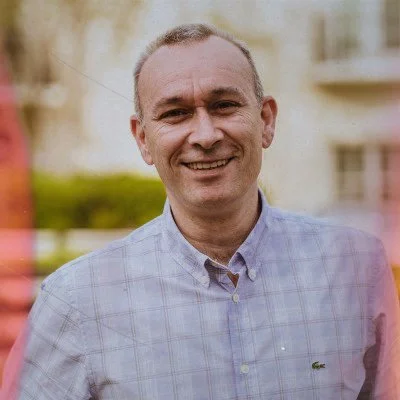
There are moments in a person’s life when movement becomes its own form of understanding. Cyril Moreau spent years crossing borders and responsibilities, and each transition revealed more about what he valued and what he hoped to create. His career began in Paris where he built a foundation of study and corporate discipline. Yet even in rooms filled with strategy and structure he felt a quiet pull toward something more aligned with his nature. He carried ambition, yes, but it was matched with a desire for independence. He wanted work shaped by his own judgment and rhythm. That sense of direction stayed with him as he moved from France to London and eventually to the United States. It followed him into each role and grew stronger with every experience.
Cyril described those early years with a mix of humor and honesty. He spoke about his studies in Paris and the expected path he followed through French and American companies. An opportunity in London opened more doors, and he embraced the chance to work in a larger market. His time there brought responsibilities across Europe and connections with leaders who trusted his ability to guide change. At one point he restructured a public company in the United Kingdom and the success of that work led him to the United States. He stepped into a similar challenge and delivered improvements that exceeded expectations. He carried significant influence inside these roles, yet something still felt incomplete.
In 2010 a conversation with his wife shifted everything. She reminded him of something he had expressed many times. She told him, “You always wanted to have your own shop.” That statement offered both encouragement and clarity. He recognized the truth in it. He had reached a point when building someone else’s structure no longer matched the direction he felt internally. He wanted to shape his own future and work with freedom. That conversation became the turning point that led him to create International Executive Consulting, the company that would become his life’s work.
Once IEC was formed, Cyril discovered a new sense of identity. He enjoyed being responsible for the path he shaped and the choices he made. He explained that it was never about being in charge, since he had already carried high level authority in corporate roles. It was about being able to create work in his own way and from anywhere in the world. He said, “You put your own blood and way to do things.” The company became not only a professional venture but an expression of values he carried for years. He appreciated that he could choose his clients and his team. He understood that those choices shaped the culture. Some selections worked well and others revealed lessons, yet each decision felt meaningful because it came from him.
He always felt drawn to small and medium sized businesses. He believed they reflect the true energy of a country. When he spoke about SMBs he said, “That is the market to run the countries.” He viewed them as essential to employment, innovation, and economic movement. He wanted to help these companies grow because he understood their impact. Every project became a way to support people who contributed directly to the health of their communities. His philosophy carried a simple question. How can he help someone reach their next level, whatever that level may be. Each answer guided the work of IEC and influenced the type of clients he wanted to serve.
Over time his entrepreneurial spirit extended beyond IEC. He became involved in additional companies and invested in ventures across Europe. He spoke about growth into regions like Dubai and Southeast Asia with clear intention. His global experience and multilingual background supported this expansion. He viewed opportunity as something without boundaries. He said, “There is no limit.” This belief did not come from ambition alone. It came from decades of work across different cultures and markets. He understood how to build teams, develop relationships, and adapt to local contexts. His confidence came from experience rather than assumption.
As he reflected on the early days of IEC, one story stood out. Their first client was an event company in Washington DC. It was 2010 and the industry was unfamiliar to him. He said, “When I mean no is no.” He came from a technology background, yet he accepted the project with commitment. He built the business plan as best he could. He described the output with honesty. He said it was not their best work, yet it mattered deeply because it represented the company’s beginning. The client paid, but Cyril and his wife never cashed the check. They kept it as a reminder of where everything started. That check became a symbol of belief, effort, and humility.
As IEC grew, Cyril discovered what he viewed as the hardest part of building a company. He said it was about helping people understand what IEC truly offered. The company worked across Europe, the Gulf region, Southeast Asia, and the United States. Each market carried its own expectations and ways of communication. He wanted clients to understand the heart behind IEC. He explained, “This is what I can do for you to make your life easier, to make your life enjoyable, to make your smile.” His intention was not only to deliver results but to create ease for the people he served. He encouraged his team to keep that goal central. He told them he wanted clients to smile not just during holidays but throughout the entire year. That message became part of IEC’s identity.
He believed word of mouth built the strongest reputation. He said, “Selling is easy. Delivering is the hardest.” He understood that promises carry weight and fulfillment builds trust. When clients felt supported and when IEC delivered what it said months earlier, referrals came naturally. He valued that kind of growth. It felt honest and aligned.
Through all his ventures, Cyril maintained a clear vision for the future. IEC became a seven figure company with steady recruitment and investment. His wife joined the company full time which allowed their expansion to strengthen further. He outlined his goals with clarity. He hoped to triple revenue within five years and grow the team to fifty or seventy people. He imagined the company reaching that stage and eventually being sold. He felt grateful that he and his family lived in a place they loved. Orange County brought warmth and stability. He saw the future with both confidence and grounded realism.
When asked about the source of his ambition, Cyril reached back into his early corporate years. He remembered how limited he felt in Paris where he was told that his role would not improve beyond a certain point. That moment revealed the importance of mobility and possibility. He moved to London where opportunity widened and eventually accepted leadership over large regions at a young age. By the time he was thirty two he was responsible for markets across Europe, Southeast Asia, Australia, Africa, and more. These experiences shaped his belief that capability grows when someone gives themselves space to grow. He said, “If I am thirty two and I can do that, what is next.” His ambition came from evidence rather than desire alone.
Cyril also carried a philosophy that guided his daily motivation. He encouraged people to listen to their internal sense of purpose. He said, “If you wake up in the morning and you are thinking you will do something good for someone, do it.” He believed passion is essential. Without passion work loses its meaning. He wanted his team to feel energized and aligned with what they did. His athletic background as a soccer player influenced this mindset. He appreciated the mentality of striving and improving. He spoke about the cultural difference he experienced when he moved from France to the United States. In France he felt that participation held value. In the United States he felt encouraged to win. He embraced that perspective and shaped his leadership around it. He said, “Winning is what you do.”
When offering guidance to future founders Cyril shared practical and personal advice. He encouraged people to have two years of savings because he understood the uncertainty of early entrepreneurship. He encouraged resilience through learning. He described the rhythm as fail, learn, restart. He emphasized the value of the right entourage. He believed that support systems create clarity and confidence. He also explained the importance of giving back. He said that IEC completes one pro bono advisory project each year for early stage startups. It allowed him to contribute to others just as others once contributed to him.
He approached financial stability with realism. He wanted new founders to focus on building without carrying the anxiety of daily survival. Without financial grounding the mind splits its attention. He told them to understand the market clearly and to maintain a benchmark for what they want to deliver. That clarity protects focus and guides growth.
When asked about the best advice he ever received, Cyril spoke with deep respect for a mentor from his time at Thomson Reuters. The man taught him to choose his battles. Cyril once carried a reputation in the United Kingdom as an “hurricane,” a description he shared with humor. His energy was strong and constant. Yet his mentor reminded him that energy without direction can weaken purpose. Cyril learned to focus on what truly mattered. He said that choosing your battles allows you to maintain quality and intention.
As the conversation ended, Cyril reflected on the life he built. He shared his age with confidence and expressed gratitude for what he and his family created. He looked ahead to the next ten years with openness. He believed that work now supports the life he hoped to enjoy with the people he loves. He expressed admiration for the interviewer and encouraged him to continue building his own entrepreneurial journey. It revealed a deeper part of Cyril’s character. He values people who commit to growth, and he generously offers support when he recognizes that spirit in others.
The story of Cyril Moreau is shaped by movement, ambition, experience, and conviction. His life spans continents, industries, and cultures. At each stage he carried a consistent intention. He wanted to create meaningful impact for people who trusted him. IEC became both a professional structure and a personal expression of that intention. It holds his discipline from Paris, his perspective from London, his courage from the United States, and his belief that opportunity expands when someone chooses to pursue it with commitment.
Thrive builds highly vetted peer groups for founders. Want to learn more?
